

Empowering Communities: The Importance of Community Programs
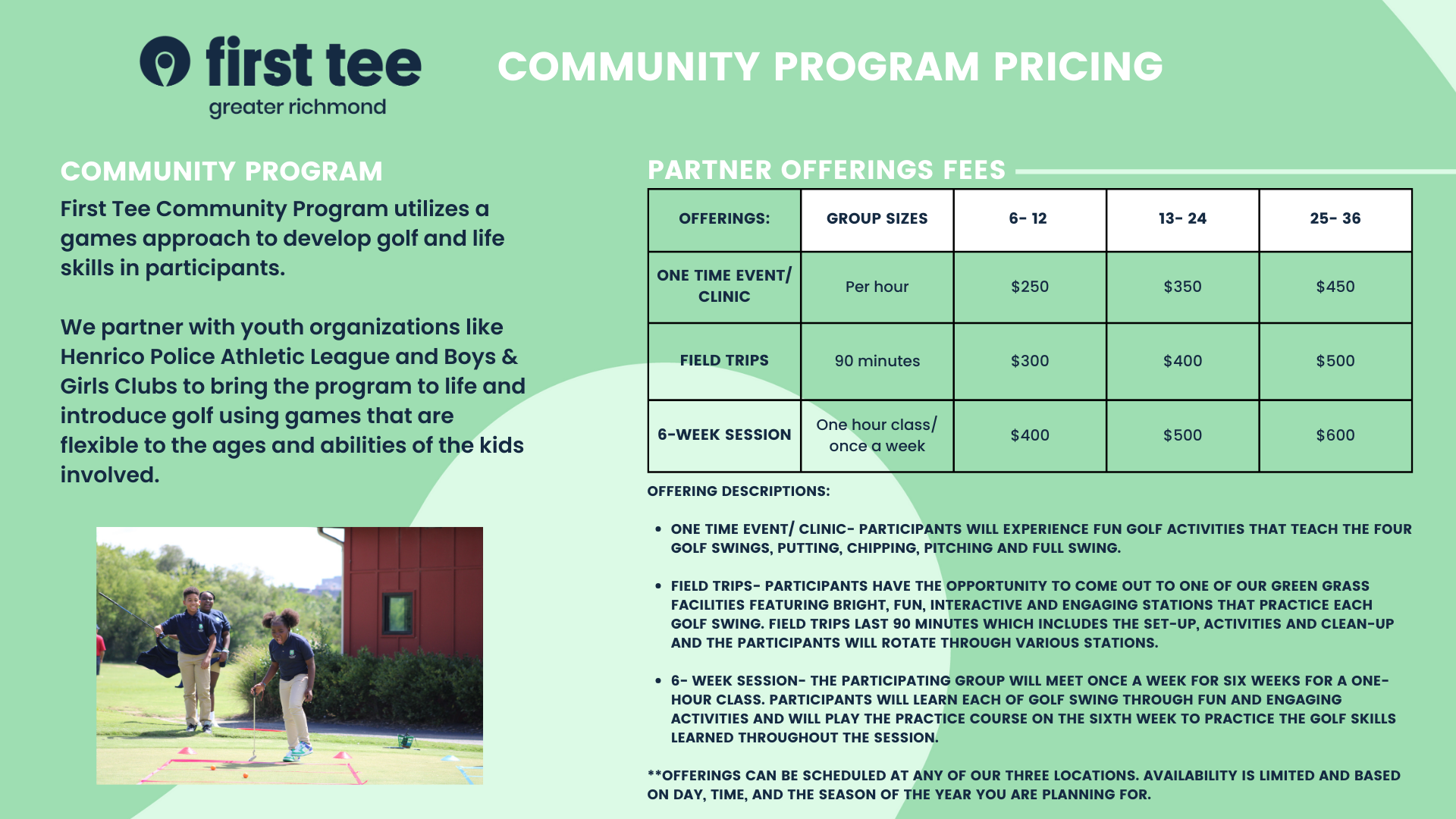
Community programs play a vital role in creating cohesive societies and empowering individuals. These initiatives are designed to address local challenges, foster relationships among residents, and promote overall community well-being. From health and education to arts and environmental initiatives, community programs encompass a wide range of activities that contribute to the social fabric of neighborhoods. Engaging with community programs vanuatu community initiatives offers an inspiring example of how collective effort can lead to remarkable changes.
The Role of Community Programs
Community programs serve multiple purposes. They often aim to solve specific problems within a community, whether it’s poverty, education inequality, environmental issues, or public health concerns. By mobilizing local resources and talents, these programs can implement tailored solutions that traditional approaches may overlook.
1. Building Relationships and Social Cohesion
One of the core objectives of community programs is to foster connections among residents. In many areas, especially urban settings, social isolation can become increasingly common. Programs that encourage participation in community activities help residents form friendships, build trust, and create a sense of belonging. These connections are essential, as they lead to stronger support networks during times of need and enhance overall community resilience.
2. Enhancing Education and Skill Development
Education-focused community programs often target underserved populations. By providing access to tutoring, vocational training, or adult education, these initiatives empower individuals to gain valuable skills that can lead to better job opportunities and economic independence. In many instances, such programs involve partnerships with local schools and businesses, creating a holistic approach to education that includes practical experience and mentorship.
3. Promoting Health and Well-being
Health-focused community programs address various issues, including mental health, nutrition, and physical fitness. They may include workshops, fitness classes, and health screenings that encourage residents to adopt healthier lifestyles. Moreover, such programs often raise awareness of public health issues, connecting individuals to necessary resources and services. This ultimately leads to improved community health outcomes and enhances the quality of life for residents.
4. Environmental Stewardship
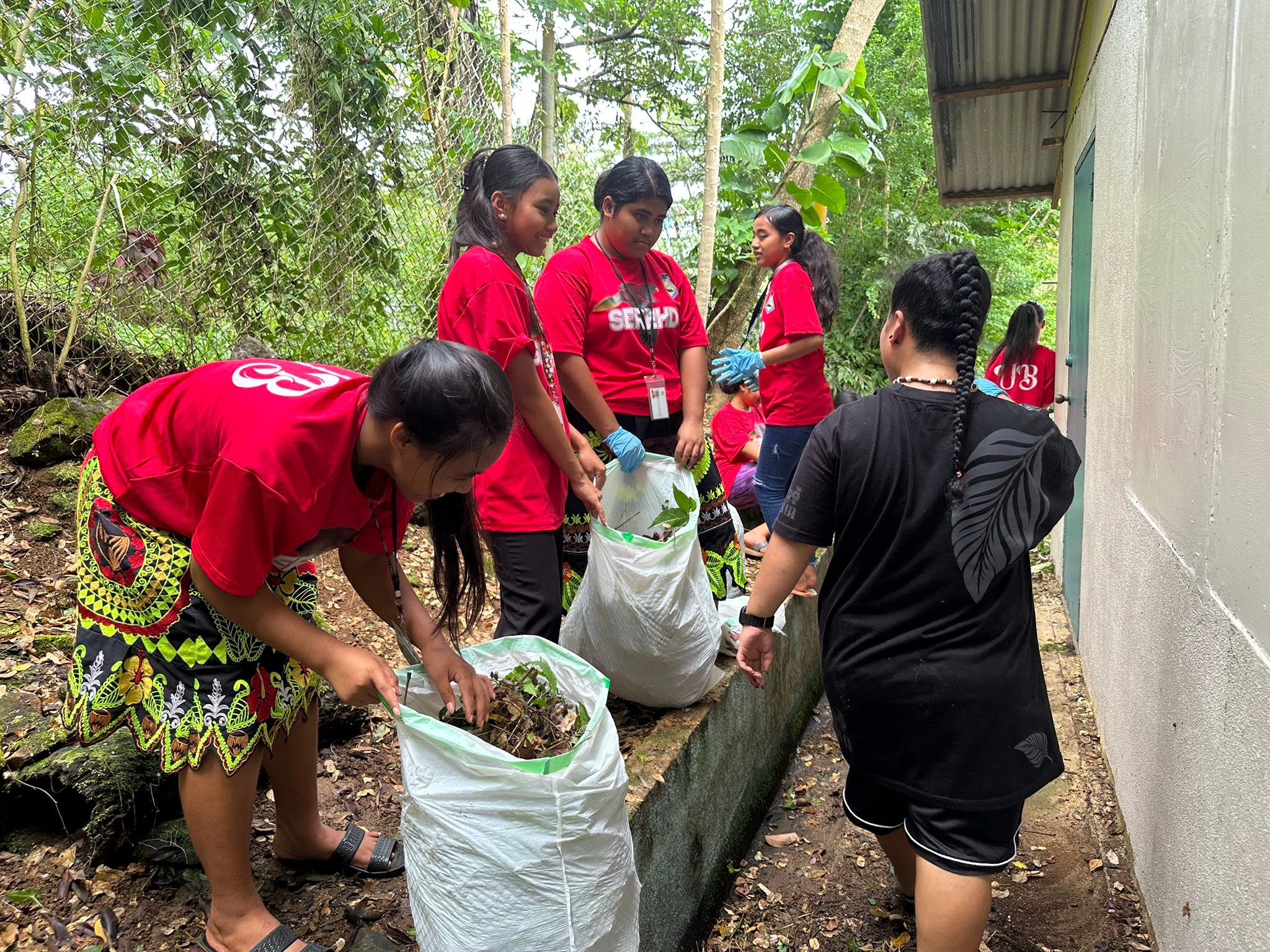
As environmental challenges become more pressing, community programs geared towards sustainability are increasingly critical. These initiatives can range from community gardens and clean-up events to education on sustainable practices. By involving residents in local environmental efforts, these programs not only beautify neighborhoods but also instill a sense of responsibility towards the planet.
5. Fostering Economic Development
Community programs can significantly impact local economies. By supporting small businesses, promoting local markets, and creating job opportunities, these initiatives contribute to economic vitality. For example, programs that offer training for entrepreneurial skills can empower individuals to start their own businesses, fostering innovation and reducing unemployment rates.
Challenges Faced by Community Programs
Despite their benefits, community programs often face various challenges that can hinder their effectiveness. Funding is a primary concern, as many initiatives rely on grants or donations. Additionally, communities may encounter barriers such as volunteer recruitment, public engagement, or bureaucratic red tape. Overcoming these challenges requires innovative thinking, collaboration among stakeholders, and a dedicated community effort.
Strategies for Successful Community Programs
To ensure the success and sustainability of community programs, several strategies can be employed:
- Community Involvement: Engaging residents in the planning and implementation of initiatives ensures that programs address real needs and fosters a sense of ownership among participants.
- Partnerships: Collaborating with local organizations, businesses, and government agencies can provide valuable resources, expertise, and funding.
- Flexibility: Adapting programs based on feedback and changing community dynamics is vital for staying relevant and effective.
- Continuous Evaluation: Regularly assessing program outcomes and impact helps identify areas for improvement and reinforces accountability to stakeholders.
Conclusion
Community programs are integral to fostering strong, vibrant, and resilient neighborhoods. By engaging with local initiatives and bringing together diverse groups, these programs enhance social cohesion, provide essential services, and offer opportunities for personal and collective growth. Embracing the challenges that come with running community programs and implementing effective strategies can lead to lasting positive change, empowering individuals and strengthening communities for the future.