
Top Slot Games That Actually Pay Out Big Right Now
Tired of repetitive entertainment that offers no real thrill? Slot games deliver instant action by spinning reels filled with vibrant symbols, where matching combinations unlock immediate payouts and bonus features. You simply place your bet, hit spin, and watch as cascading wins or free spins amplify your rewards with every turn. This straightforward, high-energy gameplay puts the power of potential fortune directly in your hands.
From Mechanical Reels to Digital Realms: A Brief Evolution
The evolution of slot games from mechanical reels to digital realms fundamentally shifted player interaction. Early mechanical slots featured physical three-reel setups with limited symbols and paylines, driven by springs and gears. The transition to digital realms introduced video screens, enabling digital reel mechanics that allowed for hundreds of virtual stops and complex payline patterns. This change directly impacted gameplay, transforming static outcomes into dynamic features like cascading symbols and interactive bonus rounds. The core user experience shifted from pulling a lever to pressing buttons, with modern virtual slot interfaces offering customizable bet levels and auto-spin functions that were impossible on mechanical machines.
The Liberty Bell and the Rise of the One-Armed Bandit
Charles Fey’s 1895 Liberty Bell machine established the three-reel framework and automatic payout system that defined the first true slot game. Its iconic symbols—horseshoes, stars, and the cracked bell—became the visual vocabulary for countless successors. The subsequent rise of the one-armed bandit refined this design by integrating a spring-loaded side lever, giving players direct mechanical control over each spin. This lever action, paired with a cast-iron casing and visible reel windows, transformed gambling into a tactile, standalone experience. The Liberty Bell’s legacy directly enabled the mass-produced, lever-operated machines that dominated arcades and saloons for decades, creating the physical blueprint for all future slot innovations.
How Video Screens Transformed Classic Fruit Symbols
The transition to video screens allowed classic fruit symbols to break free from static mechanical confines. Cherries, lemons, and plums were no longer simple painted icons but could be animated to pulse, spin, or shimmer when forming a win. Programmable reels let these symbols appear stacked or clustered, creating larger payouts and more dynamic visual patterns than physical stops ever permitted. Video enabled vibrant, high-resolution graphics that made fruits look almost edible, with rich colors and realistic textures like dew drops on a grape. This shift transformed fruit symbols from rigid identifiers into interactive visual rewards, directly enhancing player engagement through their lively presentation.
Video screens revitalized classic fruit symbols by adding animation, vivid graphics, and flexible reel patterns, turning them from static icons into dynamic, engaging visual elements.
Mobile-First Design and the Modern Gaming Experience

Mobile-first design reshapes the modern slot experience by prioritizing thumb-friendly controls and crisp visuals on smaller screens. Touchscreen-optimized reels now respond instantly to swipes and taps, making spins feel intuitive rather than cramped. Portrait-mode layouts allow one-handed play on the bus, yet landscape transitions keep bonus rounds immersive without losing responsiveness. Features like auto-spin and quick-bet sliders are placed within easy reach, while scaling algorithms ensure symbols remain clear on any device. This isn’t just shrinking a desktop game—it’s rethinking pacing for on-the-go play, where seamless load times and battery-aware graphics keep the fun uninterrupted between spins.
Core Mechanics Every Player Should Know
Understanding paylines is the first step: these are the predetermined patterns where matching symbols must land to trigger a win. Unlike classic single-line slots, most modern games use ways-to-win mechanics, where adjacent reels pay from left to right regardless of specific lines. A crucial distinction is between volatility and RTP (Return to Player). Volatility dictates risk and payout frequency—low volatility offers small, frequent wins, while high volatility chases larger, rarer jackpots. RTP is a theoretical percentage of all wagered money returned over time. Bonus features like free spins or multipliers are tied directly to specific scatter symbols, which often trigger these rounds without requiring a payline match. Always inspect the paytable before spinning to understand each symbol’s value and special function. Mastering these core mechanics shifts play from pure luck to informed strategy.
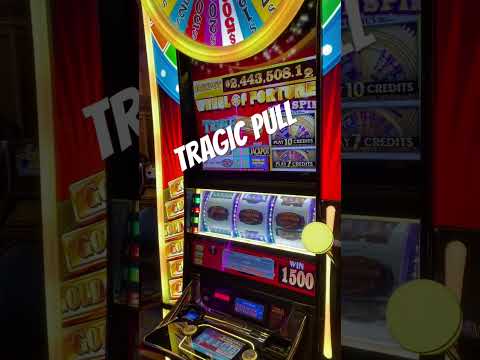
Understanding Paylines vs. Ways to Win Systems
Traditional slots use fixed paylines—specific, numbered paths across the reels where matching symbols must land left to right to pay. Modern Ways to Win systems eliminate line restrictions entirely; any adjacent reels showing identical symbols from leftmost to right create a win, regardless of position. This dramatically increases potential winning combinations. A 5-reel game with 243 Ways means every symbol position on each reel is active, offering more frequent, smaller hits compared to a 20-payline game where precise alignment is mandatory. Understanding this distinction lets you choose volatility: paylines reward patience for big line hits, while Ways provide consistent, explosive cascading action.
| Feature | Paylines | Ways to Win |
|---|---|---|
| Win Trigger | Symbols land on specific numbered lines | Matching symbols on adjacent reels from left |
| Bet Impact | Cost per line, activating each separately | Fixed cost for all ways on every spin |
| Volatility | Higher per-line payout potential | More frequent, lower-value combinations |
Volatility, RTP, and Their Impact on Bankroll
Volatility and RTP directly shape your bankroll’s survival. High volatility slots deliver infrequent but massive wins, demanding a larger bankroll to weather dry spells. Low volatility offers steady, smaller payouts, preserving your balance longer. RTP (Return to Player) dictates the theoretical percentage returned over time; a 96% RTP means $96 back per $100 wagered, but volatility dictates when those returns hit. A high-RTP, high-volatility slot still risks rapid bankroll drain if bets are too high.
Q: “How do I match volatility and RTP to my bankroll size?”
A: For a small bankroll, choose low volatility with high RTP to extend play. For a larger bankroll, high volatility paired with solid RTP can chase life-changing wins without immediate bust risk.
Hit Frequency vs. Payout Size: Balancing Act
Every spin in a slot game is a trade-off between how often you win and how much you win. High hit frequency machines shower you with small, frequent payouts, keeping your bankroll steady but rarely delivering a big thrill. Low hit frequency slots do the opposite, offering long dry spells punctuated by massive wins that can multiply your stake. Mastering this balancing act is crucial: chasing frequent small hits preserves playtime, while chasing rare jackpots risks faster losses. Your choice dictates risk. A volatility meter on the game’s info page directly shows this tilt—use it.
Hit Frequency builds momentum; Payout Size defines the moment. Choose your rhythm.
Selecting the Right Title for Your Style
Picking the right slot game is all about matching a title to your personal taste. If you love deep storylines, look for selecting the right title for your style by checking the theme—fantasy adventures play differently than fruit machines. For fast action, focus on volatility; high-volatility slots offer bigger but rarer wins, while low-volatility games pay out smaller amounts frequently. Pay attention to bonus features like free spins or pick-and-click rounds, as they define the pace. Always read the paytable before spinning; it reveals if the slot favors your preferred risk level. By aligning these mechanics with your mood, you ensure every session feels tailored and fun.
High-Volatility Thrills for Risk-Takers
For risk-takers, a title like “High-Volatility Thrills” signals a deliberate embrace of erratic, high-stakes gameplay. These games feature infrequent but massive payouts, demanding a bankroll built for prolonged dry spells. The core appeal is the adrenaline spike from chasing a life-changing win, not steady returns. To excel, you must mentally prepare for wild swings in your balance. Risk-taker bankroll management is non-negotiable; bet small to survive the volatility. This style rewards patience and a tolerance for extreme variance, where every spin could be the one.
- Prepare for long, winless streaks before a potential jackpot
- Always bet within 1-2% of your total session bankroll
- Focus on games with unlocked bonus rounds for maximum payout potential
- Set strict loss limits to survive unpredictable swings
Low-Volatility Steady Play for Casual Sessions
For casual sessions, targeting low-volatility steady play means selecting slot games that award frequent, small wins to extend your time on the machine. Prioritize titles with a hit frequency above 30% and minimal bonus complexity. The optimal sequence involves:
- Choosing reels with simple, low-variance paytables (e.g., classic three-reel or basic five-reel fruit slots).
- Setting a modest bet size to preserve your bankroll across hundreds of spins.
- Seeking games with auto-spin features to maintain a relaxed, consistent pace.
This approach minimizes dry spells and keeps your balance predictable, avoiding the abrupt swings of high-volatility titles.
Themed Adventures vs. Classic Simplicity
When selecting a title, the choice between themed adventures and classic simplicity hinges on player preference. Themed titles often feature elaborate narratives and cinematic visuals, drawing players into specific worlds like ancient Egypt or fantasy realms. In contrast, classic simplicity offers straightforward gameplay with symbols like fruits and bells, focusing on immediate recognition. To choose effectively:
- Assess your audience’s desire for immersive stories versus nostalgic value.
- Consider the game’s mechanics; complex bonus rounds suit themed titles, while simpler structures favor classic designs.
- Match the title to your intended emotional appeal—excitement for adventures or familiarity for classics.
Ultimately, prioritizing player engagement determines which style resonates best.
Essential Bonus Features That Shape Gameplay
In a bustling digital casino, the spin button is just the beginning; free spins are the heart of a session, often unlocking hidden multipliers that send wins soaring. You’ll feel the shift when a scatter triggers a pick-and-click bonus, turning every choice into a tactical gamble for instant coin prizes or extra spins. The real gameplay depth comes from expanding wilds that creep across reels, chaining paylines together into a single, massive payout. Progressive multipliers stack within a bonus round, escalating your risk and reward with every non-winning spin, forcing you to decide when to cash out. Each feature isn’t random chaos—it’s a designed layer of tension and strategy that defines the slot’s identity.
Free Spins, Multipliers, and Sticky Wilds
Free Spins, Multipliers, and Sticky Wilds form a powerful trio that directly influences payout potential. Free Spins grant extra rounds without deducting your balance, often triggered by scatter symbols. During these spins, Multipliers boost every win by a set factor, sometimes increasing with consecutive victories. Sticky Wilds lock in place for the duration of the feature, holding positions to improve symbol matching. When combined, a retrigger can multiply locked Sticky Wilds across reels, while escalating multipliers amplify each subsequent hit, creating high-volatility sequences with substantial reward ceilings.
- Retriggering Free Spins preserves existing Sticky Wilds and adds more locked positions.
- Progressive Multipliers in Free Spins reset between feature activations.
- Sticky Wilds often appear only during the bonus round, not in base gameplay.
- Multipliers apply after all Wild substitutions are calculated per spin.
Pick-and-Click Minigames and Progressive Jackpots
Pick-and-click minigames break up the reels by letting you choose items for instant coin prizes, multipliers, or free spins, adding a layer of strategy to your session. Progressive jackpots in these bonus rounds can skyrocket when you pick a hidden jackpot symbol, often linked across multiple machines for massive pooled payouts. A single lucky click can turn a small bet into a life-changing win here. Both features keep you engaged by rewarding active decision-making instead of passive spinning. Interactive jackpot triggers combine the thrill of choice with the suspense of growing prize pools, making each pick feel consequential.
Cascading Reels and the Megaways Mechanic
Cascading Reels remove winning symbols after a payout, allowing new ones to fall into place for consecutive wins from a single spin. The Megaways mechanic dynamically changes the number of symbols per reel—often up to 7—creating up to 117,649 ways to win per cascade. Each successive tumble increases the multiplier in some slots, amplifying payouts within the same round. This pairing transforms a single trigger into a chain reaction of potential wins, with each drop resetting the grid layout while maintaining the multiplier progression.
Cascading Reels trigger chain reactions of wins, while Megaways randomly alters reel heights per drop—together they create volatile, non-static grids with escalating multipliers.
Bankroll Strategies for Extended Play
For extended play in slot games, your primary goal is session longevity, not chasing single wins. Divide your total bankroll into smaller, equal session stakes; a 50-session rule forces you to stop when losses hit that allocation, preventing a devastating tilt. Prioritise low-volatility slots for these long runs, as their frequent, smaller payouts protect your balance and deliver steady credit flow. Never increase your bet size after a loss to “recover”—that accelerates depletion. Instead, use a fixed percentage of your daily bankroll per spin, like 0.5% to 1%, to ensure your stake scales down naturally as you play. This disciplined structure turns a single session into a marathon, keeping you engaged and entertained for hours.
Setting Session Limits and Loss Caps
Implementing session limits, such as a hard stop after 60 minutes, prevents fatigue from eroding decision-making during extended slot play. Loss caps, typically set at a fixed percentage of your bankroll—like 20%—create a predetermined floor that stops further draws on funds. For an effective approach, combine a session time limit with a loss cap, as each addresses distinct risks: time limits manage mental stamina, while loss caps protect capital from a single bad run. Both parameters must be set before the first spin and enforced without deviation to preserve bankroll longevity.
Choosing Bet Sizes Based on Volatility
Volatility directly dictates your optimal bet size for extended play. On high-volatility slots, you must reduce your base bet to survive dry spells, as wins are infrequent but large. Conversely, low-volatility games allow for larger, consistent bets because frequent small payouts replenish your balance. The core principle is volatility-based bankroll scaling: bet higher on low-volatility slots for steady action, and drop your bet on high-volatility slots to stretch your session length. This alignment prevents premature busts during variance swings.
Leveraging Demo Modes Before Real Money Wagers
Before committing real funds, leverage demo modes to reverse-engineer a slot’s volatility and hit frequency, matching them to your bankroll’s risk tolerance. This allows precise calibration of bet sizing for extended play, as you can identify how bankroll depletion patterns emerge across sessions. Use the demo to test stop-loss and win-goal thresholds without cost, building a data-driven framework that preserves your bankroll when switching to live wagers. Risk-free calibration of unit bets in demo mode prevents costly adjustments later.
| Demo Mode Practice | Real Money Benefit |
|---|---|
| Identify max drawdown depth per session | Set realistic stop-loss limits |
| Test spin counts until bonus triggers | Calculate hold-time for bankroll segments |
| Measure win frequency across 500+ spins | Align bet size with bankroll longevity |
Common Myths and Misconceptions
Many players believe a machine is “due” for a win after a losing streak, but this is a myth because each spin is an independent event with a fixed probability. Another common misconception is that stopping the reels manually influences the outcome; in reality, the result is determined the instant you press the spin button. The most persistent myth is that casinos can adjust slot payouts remotely in real-time to punish winners. In truth, modern slots operate on certified RNGs and fixed Return-to-Player percentages that cannot be altered mid-session.
Understanding these misconceptions protects you from chasing losses based on faulty logic, allowing you to enjoy the game purely as entertainment.
The Fallacy of “Hot” and “Cold” Machines
The belief in “hot” and “cold” slot machines stems from a misunderstanding of random number generators (RNGs). Each spin is an independent event, meaning a machine that has not paid out for hours has no higher probability of hitting a jackpot on the next spin. This is the core of machine payout independence. Players tracking past results to predict future outcomes commit the gambler’s fallacy. The logical sequence of this misconception is:
- A machine produces a series of losses (perceived “cold” streak).
- The player assumes a win is “due” to balance the odds.
- The RNG, however, resets probabilities to identical values for every single spin, ignoring all history.
No pattern, streak, or temperature exists outside human perception.
Why Random Number Generators Ensure Fairness
A common misconception is that slot outcomes are manipulated based on past results. In reality, Random Number Generators ensure fairness by operating independently of any previous spin, producing a completely unpredictable sequence for each new round. This algorithmic process runs continuously, selecting a random result the instant you press the spin button, with no memory of prior wins or losses. Because each outcome is statistically independent, the machine cannot be “due” for a payout or rigged to avoid one—every player faces the exact same probability on every single spin, which mathematically guarantees impartiality over time.
- Each spin’s 399bet outcome is chosen from a massive pool of possible numbers, with zero influence from preceding results.
- The RNG runs non-stop so the moment of your action truly determines a unique, unmodified result.
- No external factors like time, player history, or bet size can alter the generated number sequence.
- Independent testing ensures the RNG’s output passes statistical randomness benchmarks, preventing hidden patterns.
Understanding the House Edge Over Time
A persistent misconception is that the house edge determines session outcomes. In reality, the house edge only becomes statistically accurate over tens of thousands of spins, not a single visit. Short-term results are dominated by variance and volatility, which can produce large wins or losses regardless of the edge. Over time, the expected value converges toward the mathematical disadvantage, but casual play rarely reaches that long-term average.
- The house edge is a theoretical long-term average, not a guarantee for any individual session.
- Short-term results are influenced by random variance, often masking the edge’s effect completely.
- Tracking results over thousands of spins is impractical for most players, making the edge invisible in normal play.
- Understanding the edge helps set realistic expectations about gradual bankroll decline over extended play.
Emerging Trends in the Interactive Landscape
The reclusive developer once watched users tap at a grid, bored. Now, slot games weave interactive narrative branches directly into the spin, where a bonus round might ask “Should the dwarf follow the glowing trail or hide in the mine?” and your choice alters the next reel set entirely. One player recently whispered, “Does my decision affect the RTP?”—the answer is no, but the game’s emotional landscape shifts, turning each session into a personal, reactive story.
Skill-Based Elements and Hybrid Gameplay
Skill-based elements are reshaping slots by adding arcade-style challenges, like bonus rounds where your aim or reaction speed affects payouts. This hybrid gameplay merges traditional spinning reels with active decision-making, keeping you engaged beyond pure luck. For instance, some games now require hitting targets to multiply winnings. Interactive bonus rounds are a prime example, turning passive spins into mini-games. Q: How do skill elements change my odds? A: They don’t alter the core RTP of base spins, but they let you optimize rewards during bonus features, giving skilled players a slight edge.
Gamification, Leaderboards, and Social Features
Modern slot games now layer in gamified progression systems that turn every spin into a mini-mission, rewarding you with badges or unlockable bonuses for hitting specific symbol combos. Leaderboards rank players by achievements like “most bonus rounds triggered in a day,” fostering friendly rivalries without requiring real-money bets. Social features let you send virtual gifts or share a “big win” replay directly to your friends list, making the experience feel like a shared arcade session rather than a solitary grind.
Gamification turns spins into quests, leaderboards spark rivalries, and social features make wins feel shared.
VR and AR Integration for Immersive Spins
VR and AR integration for immersive spins transforms slot gameplay by placing players directly inside the game environment. With VR, you physically reach to pull a lever or spin a virtual reel, while AR overlays slot symbols onto your real-world space, allowing you to walk around a 3D reelset. This shift from passive observation to active participation requires a high frame rate and low latency to prevent motion sickness. The sequence for a typical immersive spin session involves:
- Donning a headset or AR glasses to initialize the spatial interface.
- Using hand tracking or a controller to select bet size from a floating panel.
- Physically swiping, pulling, or tapping the air to activate the spin.
- Watching symbols explode or cascade in 360-degree viewable space.
Crucially, spatial audio cues ground you within the virtual casino, making each win feel physically present rather than on a flat screen.
How These Reel-Based Games Actually Work
Random Number Generators and What They Mean for Your Spin
The Role of Paylines vs. Ways-to-Win Mechanics
Understanding RTP and Volatility in Plain Terms
Key Features That Can Boost Your Playtime
Wild Symbols and Their Different Forms
Scatter Triggers and Free Spin Rounds Explained
Bonus Mini-Games and Multiplier Effects
Practical Tips for Choosing the Right Game
Matching Volatility to Your Playing Style
How to Evaluate a Game’s Hit Frequency Before Playing
Why Checking the Paytable Matters More Than You Think
